What this site is for
Music Warrior AI is being built as the network’s MCP endpoint: an AI client asks it a music question, and the answer comes back with the address of the page it was read from. Every one of those pages lives on a site below. This site draws nothing, teaches nothing and plays nothing itself, which is exactly why the list matters.
An answer in a chat window is one fact lifted out of its page. The page around it holds the rest — the diagram, the neighbouring shapes, the reason it works — and the cards below say what each site adds to the fact you were given.
Where an answer goes next
 String WarriorAn answer can give a chord’s notes on the instrument you asked about; the hub lays the same chord out on every fretted and bowed neck it models, side by side, with the tuner, metronome and progression builder an assistant cannot hand you.
 Theory WarriorWhen an assistant names an interval or a mode, the theory site is where that name is explained from first principles — why a chord is stacked the way it is — with no instrument in the way.
 Keys WarriorAn answer about a piano voicing arrives as a list of note names; the keyboard site draws it on the keys themselves, with the fingering a pianist needs and a fretboard has no word for.
 Ukulele WarriorA ukulele chord quoted in a chat is one shape out of context; the ukulele site shows it against the re-entrant tuning that makes it work, from the soprano down to the baritone.
 Bass WarriorAn assistant can list a scale’s notes, but a bass line is chosen from them against the chord and the beat; the bass site builds lines that way, and charts the double bass beside the electric.
 Mandolin WarriorTuned in fifths, the mandolin carries one shape through every key; the mandolin site draws that shape and its relatives, mandola and octave mandolin included, where a text answer can only name the frets.
 Guitar WarriorMost chord questions start on a guitar. When an answer cites a grip, the guitar site is where it joins the movable shapes and positions that carry it up the whole neck.
 Banjo WarriorAn answer can spell a banjo chord, but the banjo’s real subject is the right hand; the banjo site teaches the rolls and the open tunings that shape every chord it plays.
 Fiddle WarriorA fiddle has no frets to cite, so any answer about it is a finger placement put into words; the fiddle site draws the fingerboard and treats the bow as the separate problem it is.
 Ear WarriorAn assistant can tell you what an interval is called; the ear-training site is where you learn to hear one, with the page left blank until you have answered.
 Bluegrass WarriorAn answer about one instrument misses the band; the bluegrass site is about what a circle of banjo, fiddle, mandolin, guitar and bass does together, and how a jam runs itself.
 Music Warrior NetworkIf the question is which site to open rather than what the answer is, the portal is the door built for people: it says in prose what each site covers and who it is written for.
 Nashville WarriorAn assistant can transpose a chord chart; the Nashville site teaches the number chart itself — reading it, writing it, and moving it to whatever key a singer calls.
 Mariachi WarriorA mariachi son is played by sections rather than soloists; the mariachi site reads each form section by section, armonía, bass and melody, where a single-instrument answer cannot.
 Jazz WarriorAn answer can give a standard’s chord symbols; the jazz site starts from the tune as it gets called and shows what players do to its changes in any key.
 Country WarriorA country song is a form, a key and a part for every chair; the country site maps all three for the song under an arrangement, which a chord list alone never shows.
 Tres WarriorAn answer can spell a chord on the Cuban tres, but the tres states its harmony as a repeating guajeo; the tres site writes those figures out over the chords they carry.
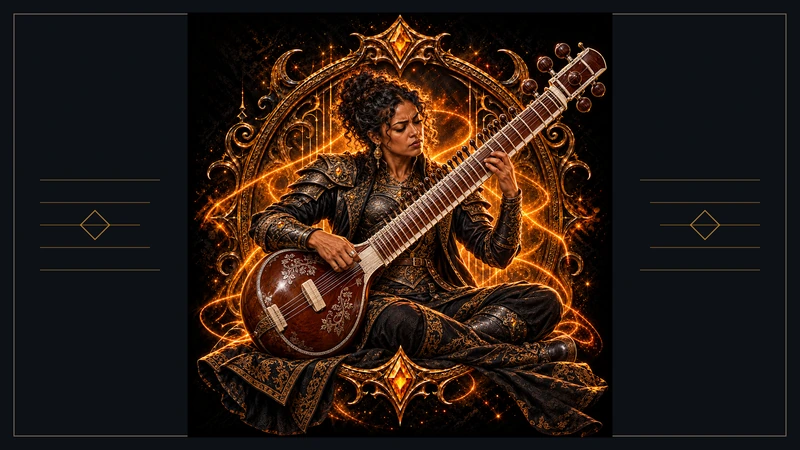 Sitar WarriorThe sitar answers to a raga before it answers to a chord, so a chord-shaped answer about it misleads; the sitar site starts from the thaats and the meend the instrument is really played by.
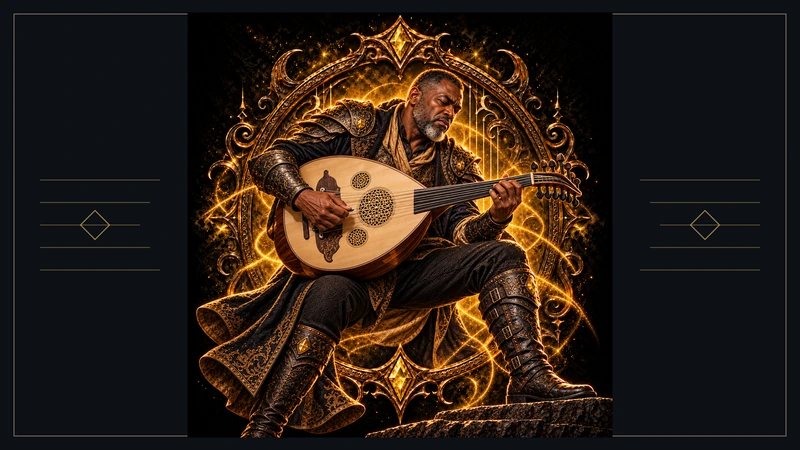 Oud WarriorThe oud has no frets and plays intervals a twelve-note chart cannot hold; the oud site says plainly which maqamat that chart can reach and which it cannot.
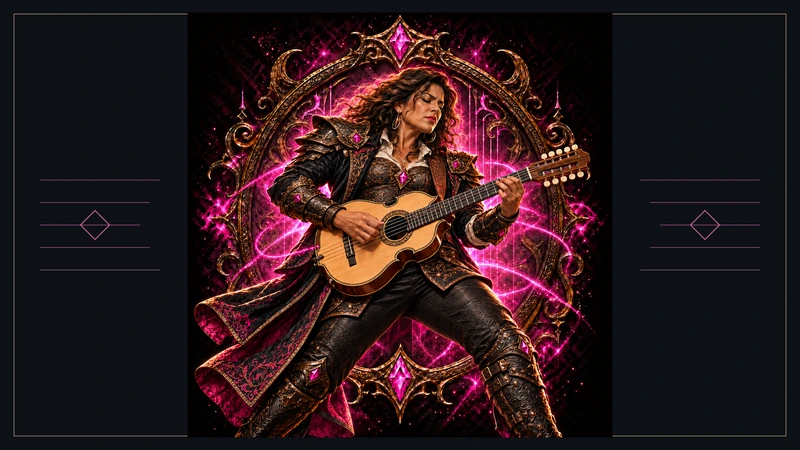 Cuatro Warrior“Cuatro” names two unrelated instruments, and a single answer can easily blur them; the cuatro site keeps the Puerto Rican and the Venezuelan apart, each with its own tunings and strokes.
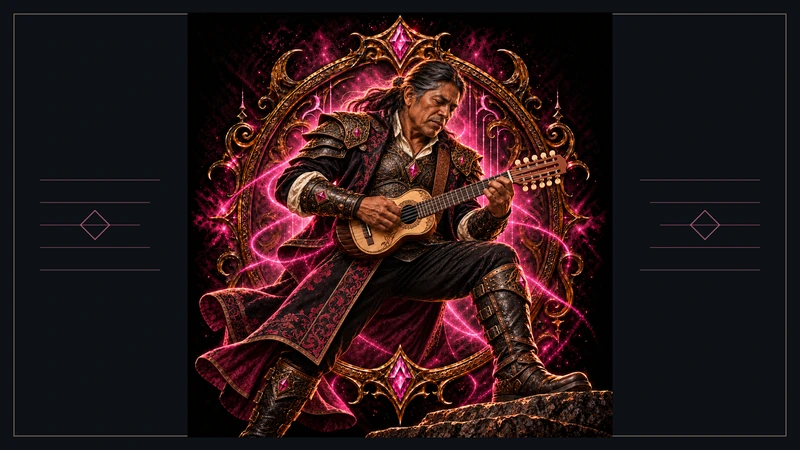 Charango WarriorAn answer can give a charango chord, but the instrument’s sound lives in its strum; the charango site teaches the whole-hand stroke patterns of the Andean repertoire.
 Cavaquinho WarriorIn choro and samba the cavaquinho is a rhythm section on four strings; the cavaquinho site teaches the chord chops and patterns that a chord name alone leaves out.
 Gear WarriorOnce the question stops being what a chord is and becomes which strings or which pedal to buy, an assistant can only guess; that site checks every maker against its own pages and says who owns the brand.
 Blues WarriorAn assistant can name the notes of the blues scale. The blues site is where they are read against a form: bar by bar through four blues forms, which are chord tones, which are colour and which rub.
 Flamenco WarriorAn assistant can tell you a soleá has twelve counts. That site lays them out: where the accents fall in four palos, which ones a count in twos or in threes explains, and each cadence in any key.
 Progression WarriorAn assistant can label a single chord. That site is where a whole line of chords gets a key, a numeral under each one and a sourced name for every move it makes.
 Scales WarriorAn assistant can list the modes of the harmonic minor. That site shows how they connect to everything else: which of 49 modes sit one altered degree apart, and every relation its sources state, checked against the arithmetic.
How the network divides the work
Every subject has one home: each instrument family is taught on its own site, theory and ear training have theirs, and each style is a site about its band. The endpoint follows the same map — an answer about a banjo chord cites the banjo site, never a copy of it made here.
Sites that are still being built are not in the list yet. Each joins the day it opens, on the same terms as the rest: one subject, one home, and a straight sentence here about why you would go there.